Stand Still, Socialise: Why the Night Actually Starts at the Back of the Line
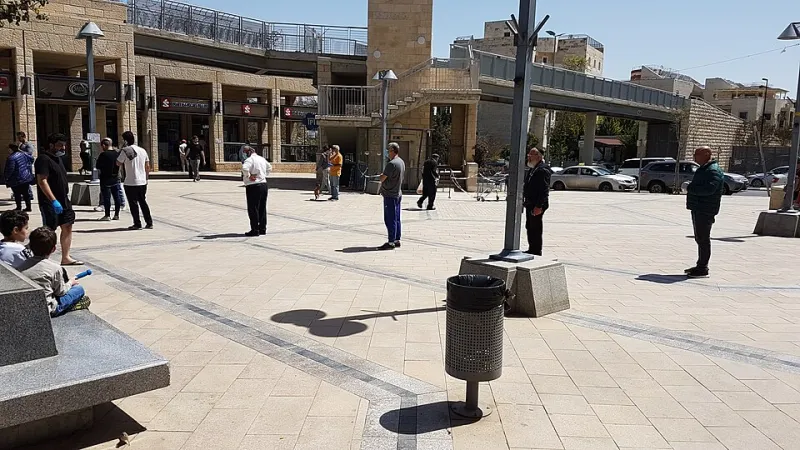
Photo: Amire80, CC0, via Wikimedia Commons
There's a moment that happens outside every decent club in London, usually around half eleven, usually in the drizzle. A group of strangers — six, maybe eight deep in the queue — will collectively clock that none of them are going anywhere for twenty minutes. And then, almost without fail, someone says: "Is this even moving?"
And just like that, the night has begun.
The Most Honest Hour of the Night
We've all been sold the same story: the queue is dead time. A tax on your enthusiasm. The bit between the Uber and the bass bin that apps and fast-track wristbands exist to eliminate. But spend enough of your weekends standing on cold pavements and you start to notice something — the queue isn't the obstacle to the night. It's the runway.
Think about what the queue offers that the club can't. Nobody's performing yet. Nobody's spent forty quid on round and is now emotionally committed to having the best time. The queue is the last moment when everyone in the room is just a person on a pavement, slightly cold, slightly giddy, with nothing to prove.
That's why the conversations are better there. The bloke in the biker jacket who compliments your trainers? Inside, he'd never look up from his phone. The girls doing a full debrief of a disastrous Hinge date three people down the line? That's cinema, and you're getting it for free.
Designing for the Wait
Here's my actual argument: clubs should stop treating the queue as a problem to solve and start treating it as part of the product.
Some places already get it. The best queues in London have a rhythm to them — a vendor nearby doing a brisk trade in burgers to people who absolutely should not be eating a burger yet, a bouncer who's figured out that a bit of banter keeps the mood warmer than silence and side-eye. Compare that to the bleak cattle-pen setups with nothing but a wet rope and a sense of dread, and the difference is obvious.
A queue is a pre-show. It's the support act. You've got a captive audience of people whose entire purpose in life at that moment is to go out — and most venues give them a tarmac patch and a bin. Imagine if queuing was actually designed: lighting that isn't a sodium lamp, a bit of music bleeding out the door, staff who treat the line like a room rather than a bottleneck.
The anticipation does half the DJ's work before anyone's through the doors. Lean into it.
What the Door Staff Know
Talk to anyone who's worked a door for years and they'll tell you the queue tells them everything. Who's up for it. Who's been pre-drinking since seven. Which group is going to be trouble and which is going to spend the night hugging each other by the speakers. The queue is the vetting process, the warm-up and the box office all in one.
The good ones work it like a craft. A well-run queue feels safe and quick even when it's neither. A badly run one can sour a night before it starts — and no amount of expensive light rigging fixes a crowd that walked in annoyed.
Nobody Remembers the Wait Badly
Here's the thing that surprises people: ask anyone about their best nights out and the queue features more than they'd expect. The impromptu plan to leave for a house party that got abandoned. The strangers who became mates and are still in the group chat five years on. The kebab split four ways at the chicken shop over the road.
The queue is where the night is still full of possibility — before the expensive drinks, before the friend who disappears, before the last tube becomes a problem. It's the only part of the evening where nothing has gone wrong yet and everything could still happen.
So next time you're shuffling along a pavement in Dalston or Brixton, wondering if it's worth it — it is. You're not waiting for the night out. You're already on it. The club just hasn't turned the lights on yet.
Now if we could sort the drizzle, we'd really be in business.