Smoke Signals: The Ban That Built the Modern Club Without Anyone Noticing
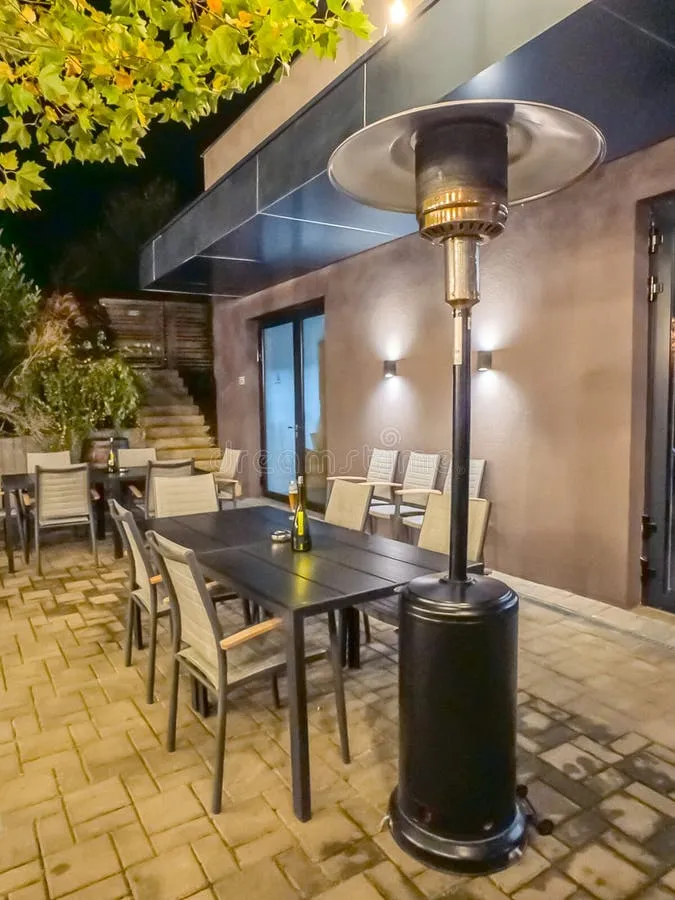
Photo: nightclub outdoor smoking terrace people talking patio heaters night, via thumbs.dreamstime.com
Here's a question nobody in the industry asks out loud: when was the last time you spent a full night inside the actual club?
Not the smoking area. The club.
If you're under thirty, the honest answer is probably never — and that's not a lifestyle choice. That's architecture. That's 2007. That's the moment Parliament stubbed out cigarettes indoors and, without meaning to, redrew the blueprint of the British night out.
The Night the Floorplan Changed
Before the ban, a nightclub was a sealed world. You paid on the door, you went down the stairs, and you didn't surface until your ears were ringing and your feet had opinions. The dancefloor was the destination because there was nowhere else to go. If you wanted air, you sweated for it.
Then July 2007 happened, and every venue in the country suddenly had a design problem: thousands of punters who now needed to go outside, several times a night, in the rain, in February, in shoes they'd regret by midnight.
The quick fix was a bouncer holding the fire door open. The lasting fix — the one that shaped everything after — was building the outside in. Heaters. Canopies. Benches. Lighting. Somewhere along the line, the smoking area stopped being a compromise and became a second venue, with its own atmosphere, its own economy and its own unspoken rules.
Ask any club designer working today and they'll tell you the same thing: the terrace is no longer an afterthought bolted onto the back of a venue. It's often planned first. The smoking area is where the budget goes, because the smoking area is where the people are.
The Great Migration
What makes this genuinely interesting — beyond the nostalgia of it — is how the ban rewired human behaviour inside the building.
Smokers became the night's unofficial timekeepers and, frankly, its social organisers. You don't leave the dancefloor alone; you leave with whoever's holding your drink. You don't come back alone either — you come back having swapped numbers, argued about football, befriended a stranger named Dean. The dancefloor is where you lose yourself. The terrace is where you find other people.
Which means the flow of the entire evening now orbits around the smokers. When they get up, the group moves. When the group moves, the energy on the dancefloor thins. Every promoter knows this, and the smart ones stopped fighting it years ago. Some now schedule their sets around it — hold the big record until the smokers drift back in, then hit them with it as they return. The drop lands on a refill crowd, not an empty room.
That's not a small thing. That's the rhythm of the night being set by people who just need a quick fag.
The Second Venue Within the Venue
Spend an evening people-watching on any decent terrace and you'll spot the pattern. There's the vestibule crowd near the door — warm, close to the action, gone in three minutes. There's the far corner, where the real conversations happen, the ones that last until close. And there's the middle ground, the drifters, migrating between the two like it's a pub crawl with one pub.
The terrace has its own etiquette, too. It's the one room in the club where talking is the point, which makes it the great leveller — no shouting over 120 decibels, no lip-reading under strobes. Some of the best clubbing advice ever given has been delivered through chattering teeth at 2am under a patio heater.
And here's the thing the non-smokers worked out fast: nobody checks. The smoking area is the only part of a nightclub where you can legally stand around doing absolutely nothing, and it's become the de facto chill-out zone for everyone — vapers, non-smokers, people who just need five minutes away from the volume. The cigarette became optional. The corner became essential.
What We Actually Lost (and Gained)
There's a version of this argument that's purely nostalgic — the airless glory days, the fog machine you didn't need to hire. And there's a version that's purely health-pedantic, which misses the point entirely. Both are boring.
The honest take is that the ban didn't kill anything. It split the night in two. We gained air we can breathe, coats that don't smell like an ashtray, and a genuinely better social space than most venues ever managed indoors. We lost the seamless immersion — the night that never broke, the world with no outside. Now every club night has a seam running through it, a revolving door of arrivals and departures, half the crowd always somewhere else.
Whether that's a fair trade depends on what you go out for. But one thing's not up for debate: the smokers won. Not the argument — the geography. They hold the map of the modern British nightclub, and every heater, canopy and bench in the country is a monument to their victory.
Next time you're out, watch the room. When the terrace empties, so does the dancefloor. When they file back in, the night reignites.
The club doesn't run on the DJ.
It runs on whoever just stepped outside.