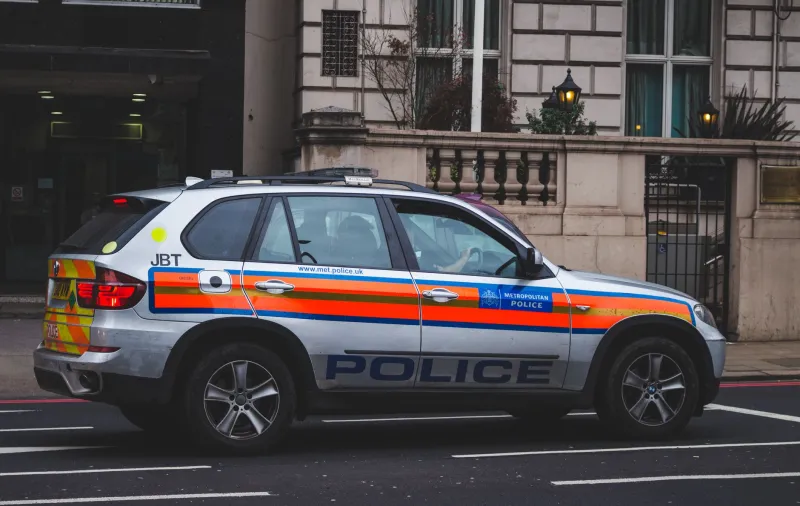
Kebabs, Cabs and Cold Mornings: The Hidden Workforce Behind Every Great Night Out
Photo: John Salmon, CC BY-SA 2.0, via Wikimedia Commons
It's 3.47am on a Saturday and the queue outside the kebab shop on Brick Lane stretches further than the one outside the club did two hours ago. Inside, a man called Erdinc is working his fourth double shift of the week. He'll be here until half five. Nobody in that queue knows his name. All of them owe him their night.
This is the part of London's nightlife nobody puts on a flyer.
The City That Clocks In When You Clock Out
Talk about nightlife and most people picture DJs, smoke machines and someone in a plastic cowboy hat crying to a garage remix. But the actual nightlife economy is a second city that wakes up as the first one falls over. Black cab drivers who know exactly which rank to slide into at Fabric. Minicab firms running on fumes and loyalty. The after-party DJ playing to twelve people in a Peckham flat. And the cleaning crews — always crews, never individuals — who walk into every major venue between 6am and 9am to scrape the night off the floors before the doors open again.
One venue manager in Camden told us his turnaround crew has forty-five minutes to make a 1,200-capacity space look like nothing ever happened. "If they don't show, we don't open. Simple as that. I've got a great sound system and a world-class resident. Doesn't matter if there's sick in the stairwell."
Follow the Money at 4am
Here's the uncomfortable maths. A club night might take £40,000 across the door and the bar. But the night doesn't end when the lights go up — it disperses. Taxis, takeaway food, corner shops, the 24-hour nail bar, the guy selling single cigarettes outside the station. Strip that infrastructure away and a night out doesn't get worse. It stops existing.
And it is being stripped away. Late-night licences get reviewed, cash-strapped councils cut night bus routes, and rents push kebab shops — the actual welfare state of the London night out — into £4,000-a-month units they can't sustain. Every closure sends a ripple. Fewer cabs means people leave earlier. Fewer late bites means fewer reasons to stay out. Fewer cleaners means venues quietly reduce their opening hours because the turnaround doesn't stack up.
When the Support System Snaps
We've already seen what happens when the unglamorous stuff collapses. Post-pandemic, several venues reopened to discover their entire overnight ecosystem — cleaners, security suppliers, taxi contacts — had simply moved on. Nights ran shorter. Some never properly came back. The headline acts returned; the scaffolding didn't.
There's a temptation to treat nightlife as the venues and nothing else. But a night out is a supply chain, and London is very good at celebrating the front of house while quietly letting the back of house rot.
What Would Actually Help
It's not complicated. It's boring. Night Czar-style roles with actual power. Business rates that recognise a kebab shop's social value at 4am. Licensing policies that treat the surrounding economy as part of the venue, not collateral damage. And maybe, occasionally, a bit of credit — because the truth is that the best night of your life was only possible because a small army of people you'll never meet were working the hours you were partying through.
So next time you're three deep at the counter waiting for chips, maybe say thanks. Erdinc noticed. He says it happens about once a year.