Six Never Gets In: Confessions From the Other Side of the Rope
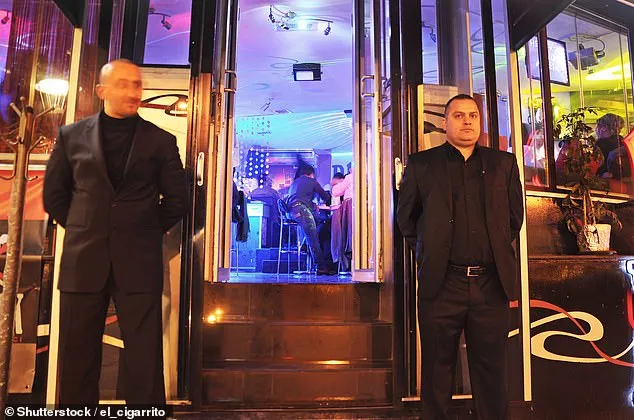
Photo: nightclub doorman bouncer silhouette queue london night, via i.dailymail.co.uk
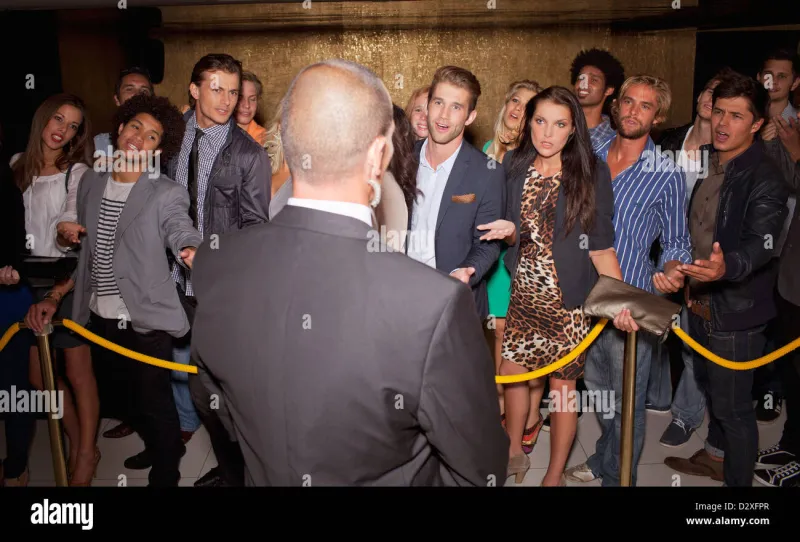
There's a moment that happens outside every club in London, roughly between 11:45pm and 12:30am, when the queue goes quiet and the decision gets made. The rope either lifts or it doesn't. Most people think that moment is about them.
It isn't. It's about maths, pattern recognition, and a hundred nights of getting it wrong before they learned to read a crowd like a betting man reads a racecard.
We bought three cups of terrible vending machine tea and talked to door staff with decades between them — Shoreditch, Mayfair, one venue in Zone 2 that legally cannot be named. What follows is their unfiltered take on what actually happens at midnight.
The Six Rule Is Real and It's Not Personal
Ask any door veteran about group dynamics and they'll tell you the same thing before you finish the question: six never gets in.
"A six is a fight waiting for a venue," says Dave, twenty-two years on doors across East London. "Five's manageable. Seven's chaos, nobody's in charge. Six is the number where everyone's confident and nobody's responsible."
It sounds like superstition until you hear the logic. Large groups arrive with internal politics. Someone's been dumped, someone's on a stag do, someone's already had four Jägerbombs in an Uber. Door staff aren't judging your personality — they're assessing risk in seconds, and a big group gives them nowhere to hide a problem.
The workaround is ancient and the bouncers know it all: split into twos, arrive staggered, reconvene by the toilets. "We see it every weekend," Dave shrugs. "If you're clever enough to split up, you're probably clever enough to behave inside. That's the actual test."
The Dress Code That Doesn't Exist
Every venue has a written dress code. Then there's the real one, which is unwritten, unspoken, and enforced with a head shake.
It's not about expensive trainers, despite what the lads in matching Belgium shirts believe. It's about effort signals. Scuffed shoes with a fresh shirt reads as someone who got ready in a hurry — fine. Brand-new everything worn all at once reads as someone dressing up for a fight, not a night out. The staff call it "costume energy."
"I've turned away blokes in £400 jackets and let in lads in Primark," says Marcus, who works the West End circuit. "It's not the label. It's whether you look like you're coming to dance or coming to be seen, and there's a difference in the shoulders."
The shoulders. That's the detail nobody writes down. Tense shoulders, clenched jaws, eyes doing laps of the queue instead of the conversation — that's what actually gets people turned away. The outfit is just the excuse people tell their mates afterwards.
What They're Actually Looking At
Forget the myths about secret blacklists and face-recognition (though yes, some venues do use both). The real assessment happens in about four seconds and covers three things:
Mobility. Can you walk a straight line? Not a sobriety test — a safety one. Someone who can't navigate a step is someone who'll be sick in the VIP booth by 1am.
Group temperature. Are you laughing together or arguing together? Banter and bickering look identical in the queue and completely different from ten feet away.
The eyes. Drunk eyes, angry eyes, or eyes scanning the door staff for exits. Veterans swear they can spot coke jaw from the rope.
None of it is personal. All of it is pattern. These are people who've watched the same story play out ten thousand times, and they're just trying to skip to the last page.
In Defence of the Door
Here's the part that rarely gets said: door work is one of the most maligned jobs in British nightlife, done mostly by people who'll never be thanked for the nights they made safer.
These are the staff who talk down the fight before it starts, who walk the drunk girl's taxi to the door, who remember the face of the man who got banned for grabbing someone and make sure he doesn't get near the queue again. The SIA badge on their chest represents licensed training that most pub doormen of the nineties would've laughed at.
"People think we hate them," says Dave. "I've worked doors fifteen years and never thrown a punch I didn't have to. My job is ninety percent talking, five percent standing still, five percent wishing I was home."
So next time the rope doesn't lift, take the hint with grace. Come back next week, in twos, with your shoulders down and your eyes on your mates. The queue forgives. The door remembers.
And if you get in? Buy the cloakroom woman a drink with your eyes, not your wallet. She's seen everything too.